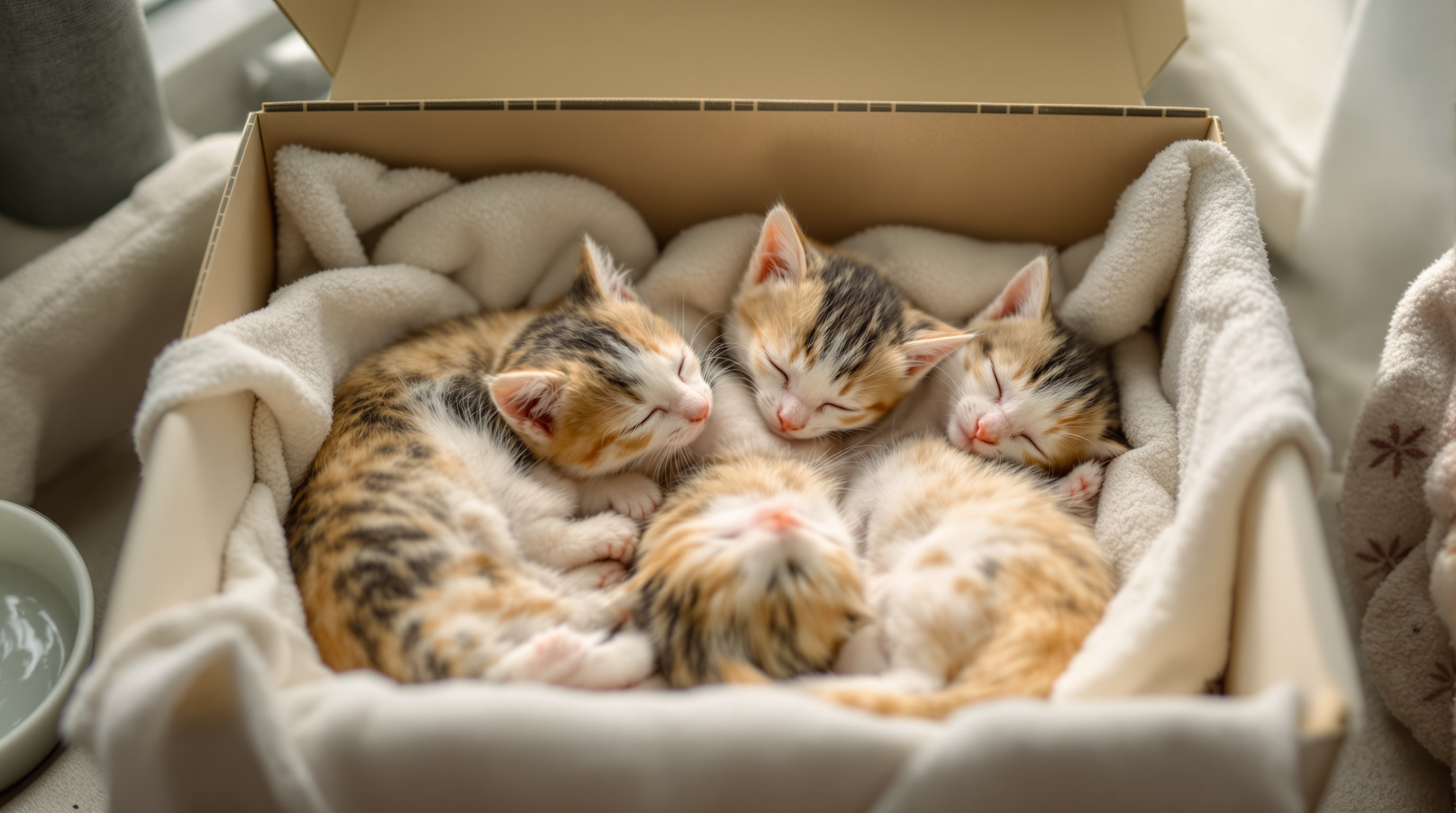
Foster Homes
Ask any rescue group what limits the number of animals it can save and the answer is almost never adopters. It is foster homes. A cat cannot be pulled from a pound, taken off a street or accepted from an owner unless there is somewhere for it to live in the meantime — and that somewhere is a spare room in an ordinary house.
What fostering actually is
Most small rescues do not have a shelter building. They are a network of private homes coordinated by volunteers, and the cat lives in one of those homes until a permanent one is found — typically a few weeks to a few months.
The foster household provides space, routine care, and above all time: feeding, litter, medication if needed, and the daily patient contact that turns a frightened animal back into an adoptable one. The rescue provides everything else — that is the standard arrangement, and a group that expects a foster carer to fund veterinary treatment is not operating properly.
A reasonable rescue supplies food and litter, covers all veterinary and emergency care, provides equipment such as a crate or carrier, gives written guidance, and is reachable when something goes wrong at ten at night. The foster carer supplies a secure, quiet space, consistency, and honest reporting on how the animal is actually behaving — which is the information the adoption match depends on.
Who it suits
Fostering suits several kinds of household unusually well.
People not ready for a permanent commitment. Students, people who expect to move, anyone whose next few years are uncertain. Fostering is a defined-term arrangement, which is exactly what a twenty-year adoption is not.
People who want to know what living with a cat is like before deciding. It is a far more honest trial than an afternoon at a shelter.
People who have recently lost a cat and cannot yet face another permanent bond. This is more common than it sounds, and fostering is often the gentler route back. See on grieving a companion animal.
People who already have cats. Existing resident cats are not a disqualification provided they are healthy, vaccinated and reasonably sociable; many fostered cats settle faster in a household that already has cats in it, because the resident animals model that the place is safe.
What it asks of you
Be honest with yourself about four things.
A separate room, at least at first. New arrivals need isolation for quarantine and for their own peace of mind — typically one to two weeks before any contact with resident animals. A bathroom or spare bedroom is enough; an open-plan flat with resident cats is not.
Routine. Recovering cats respond to predictability more than to affection. Feeding at the same times, in the same place, by the same person, matters more than the amount of fuss.
Some mess and some damage. A traumatised cat may not use the tray reliably at first. Something will get scratched.
The goodbye. This is the one people underestimate, and it is the honest reason many carers stop. The way experienced fosterers describe it is that you are not losing a cat, you are freeing a place — and the next animal only gets rescued because the last one moved on. That reframing genuinely helps, and it does not make the day itself easy.
The specialist kinds
Not all fostering is the same, and rescues are usually short of the harder categories.
- Neonatal kittens need bottle feeding every two to three hours around the clock, stimulation to toilet, and careful temperature management. It is intensive, it is genuinely skilled, and the mortality rate is real. It is also where the greatest shortage sits.
- Mothers with litters need space and quiet more than intervention; the queen does the work and the household mostly stays out of the way and feeds her heavily.
- Medical fosters take animals recovering from surgery or managing a chronic condition — the ability to give medication reliably is the qualification.
- Behavioural fosters take the frightened, shut-down or defensive cats. This is a patience specialism, and it is where a surrendered cat is turned back into an adoptable one.
- Socialising kittens from colonies is time-limited work with a hard biological deadline: kittens caught young enough can be socialised, and the window closes fast. See neighbourhood cats.
Practical points from people who do it
Set the room up before the cat arrives, not while holding a carrier. Put food and water well away from the litter tray; cats will not reliably eat next to a toilet. Provide a hiding place — a covered bed or a box on its side — because a cat with somewhere to hide comes out sooner than a cat without one.
Sit in the room and ignore the cat. Read aloud if it helps. The goal is for the animal to conclude on its own that you are boring and safe.
Keep notes. Appetite, litter use, where the cat sleeps, how it responds to a hand, to a door closing, to a vacuum cleaner. Those notes become the adoption profile, and they are the difference between a good match and a returned animal.
Photograph the cat properly — at its eye level, in daylight, awake. A large share of what determines how quickly an animal is adopted is a decent photograph, and this is a real contribution.
Where to start
There is nothing to sign up to here. This site is a written reference and does not run a foster programme or hold animals. If you want to foster, approach a rescue group or shelter directly — the Ontario SPCA and most municipal shelters run foster networks, as do the small independent groups in almost every community. ASPCA guidance on fostering is a good general orientation before you make the call.
Ask the group what it provides, what happens if the animal needs emergency treatment, and how long a typical placement runs. A well-run rescue will have clear answers, because it has been asked before.